
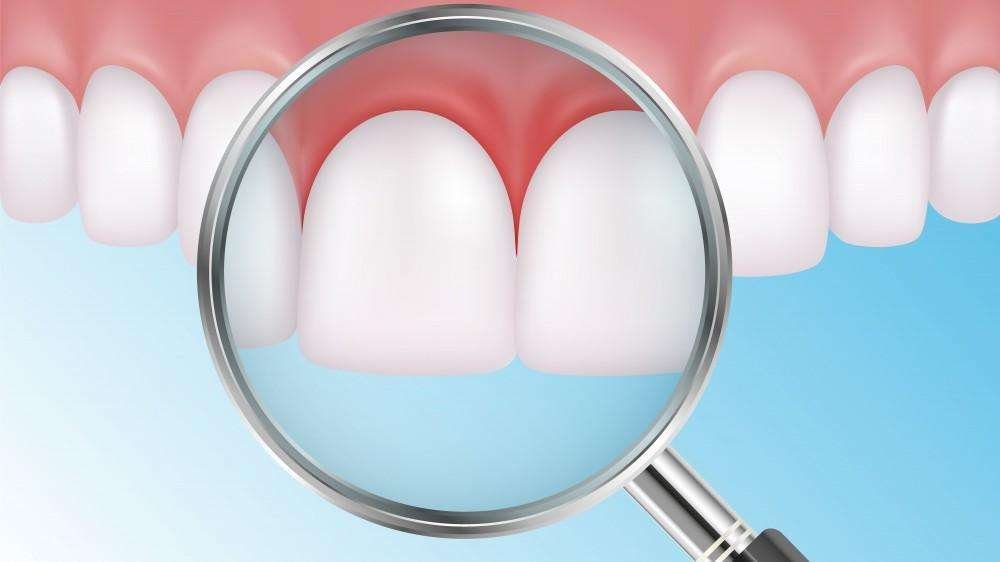
Gum/Periodontal Disease
What is periodontal disease?
As the name implies, periodontal disease is a disease of the tissues surrounding the teeth, which can be roughly divided into infectious and mechanical types. Infectious periodontal disease is caused by bacteria and manifests as red and swollen gums and bad breath. In severe cases, tooth bone loss and loose teeth can occur, and inflammation spreads to the cardiovascular system, leading to various systemic diseases, premature aging, and even shortened life span. Mechanical periodontal disease includes abnormal tooth occlusion, nighttime bruxism, and excessive brushing. Usually, patients have good oral hygiene, but the gums gradually recede and the roots are exposed. This not only affects the appearance, but the teeth also become more and more sensitive, and the hot, sour, and sweet food of the diet brings great challenges to patients.
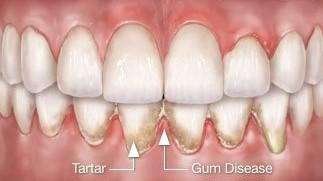
Infectious periodontal disease (periodontitis) — the invisible killer of health
Periodontitis has been defined by the medical community as the third biggest killer threatening human health after cancer and cardiovascular and cerebrovascular diseases, and is also the number one killer of oral health. It is usually caused by poor oral hygiene, long-term plaque attached to the interface between teeth and gums, gradually destroying this natural barrier, and then the bacteria invade the gums and enter the bloodstream.
The depth of the gingival sulcus is a measure of periodontal disease
The gingival sulcus is a small space between the free gums and the root of the tooth that a dental probe can enter. A healthy gingival sulcus should be between 1-3 mm. If it exceeds 4 mm, it is in the category of periodontitis. The deeper the gingival sulcus, the more severe the periodontal disease. Gingival sulci of more than 8 mm are in the late stage of periodontal disease. Deep cleaning must be performed when the gingival sulcus is 4-6 mm for a good prognosis. Successful treatment can reduce the gingival sulcus by 2-3 mm.
Deep cleaning
When subgingival bacteria proliferate for a long time and continuously produce toxins, the human body produces many enzymes that damage teeth and bones while resisting bacteria. Over time, tooth bone loss, red and swollen gums or receding gums, loose teeth, and severe periodontal disease can occur. Periodontal disease cannot be completely reversed. The earlier the treatment, the better the effect. Don’t take it lightly.
When plaque is implanted in the gums, they continue to absorb calcium and become hard. This calcified plaque is dental calculus. Dental calculus provides a better breeding ground for bacteria, accelerating the deterioration of periodontal disease.
Deep cleaning is a non-surgical periodontal treatment. After the patient is anesthetized, the doctor uses a special medical instrument to gently scrape away the tartar and toxins attached to the root surface in the gingival sulcus and make the root smoother. There is generally no bleeding after treatment, and there will be no long-term pain. A few patients will feel that their teeth are sensitive to cold and heat. This is a temporary phenomenon. As the exposed root gradually calcifies, the sensitivity will gradually decrease.
Oral hygiene is very important after treatment. Be sure to brush your teeth after three meals a day. At the same time, Dr. Shi recommends using a flushing machine to rinse your teeth. In addition, return to the clinic regularly every 3 months for follow-up and cleaning. If you can do these things, it is not difficult to control periodontal disease.
Dental Implants
Book Now
Cantonese: (866) 405-9737
Invisible Correction
Why choose Dr. Shi?
- Dr. Shi received professional surgical training at Columbia University, Hackensack Medical Center and New York University.
- He has been doing minimally invasive tooth extraction for many years. Many patients are very satisfied with Dr. Shi’s treatment and also recommend their friends and family for dental treatment.
- Dr. Shi’s method of wisdom tooth extraction is minimally invasive, easy to treat, small wound, and quick recovery.
If you have questions about wisdom teeth, you may call or use our online consultation. We provide free consultation.