
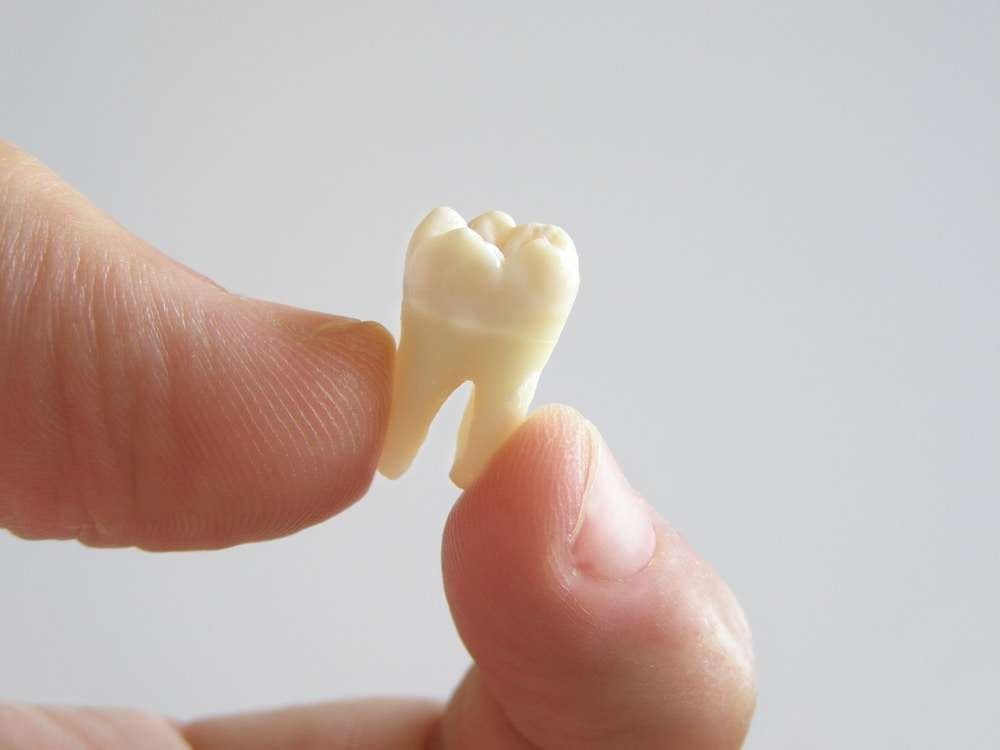
Atraumatic Tooth Extraction
Minimally invasive tooth extraction surgery uses a special micro-powered extended high-speed turbine drill to split the tooth crown, and then inserts a minimally invasive tooth extraction instrument between the periodontal membrane and the alveolar bone to separate it. Without damaging other tissues around the tooth, the tooth can be fully loosened and easily removed. It is a revolutionary innovation in tooth extraction technology.
Our alveolar sockets have four walls, of which the outer wall is the thinnest. Traditional tooth extraction surgery is very easy to damage this outer wall. Non-traumatic tooth extraction requires the doctor to use special instruments to slowly remove the tooth root from the alveolar socket without damaging the fragile outer wall of the tooth bone. Of course, this is not an easy task. In addition to the doctor’s patience, years of clinical experience and advanced instruments are the key to success.
In addition to preserving precious tooth bones, non-traumatic tooth extraction reduces the patient’s discomfort and fear during surgery. More importantly, the patient’s postoperative recovery period is greatly shortened, which also lays a good psychological foundation for future dental implant surgery.
Dental Implants
Book Now
Cantonese: (866) 405-9737
Invisible Correction
What is minimally invasive tooth extraction? What are its advantages over traditional tooth extraction?
Less pain
During minimally invasive tooth extraction, patients feel almost no pain after local anesthesia, which makes it easier for dental patients, especially elderly and children, to accept.
Less trauma
The instruments used in minimally invasive tooth extraction are all fine instruments. The high-speed turbine rotation generates strong drilling and cutting kinetic energy. The surgeon is skilled and accurate in operation, which can minimize the damage and swelling of the surgical site and reduce the degree of local trauma.
The doctor can also accurately locate the various parts of the tooth body according to the patient’s oral condition, accurately divide the tooth body, with less trauma, and greatly reduce the chance of wound infection, less pain during the operation, and faster wound healing after the operation.
Short time
In clinical practice, the roots of most dental patients are closely combined with the tooth bones and are not easy to separate. The high-speed turbine drill used in minimally invasive tooth extraction can quickly remove bones and separate roots, making it easier to extract diseased teeth. The intraoperative vision is clear, the positioning is accurate, and the force is precise. Compared with traditional bone chisels, the operation time is greatly shortened, and the tooth extraction time is generally about 1/3 of the traditional tooth extraction time.
Fewer complications
The use of minimally invasive tooth extraction avoids the removal of a large amount of alveolar bone, reduces postoperative bleeding, swelling, pain, nerve damage, infection, limited mouth opening, temporomandibular joint injury and other discomforts, and significantly reduces complications.
Less psychological impact
During the entire operation, no chisel, hammer or other tools are used, which greatly eliminates the fear of patients, especially children and elderly patients.
- Dr. Shi received professional surgical training at Columbia University, Hackensack Medical Center and New York University.
- He has been doing minimally invasive tooth extraction for many years. Many patients are very satisfied with Dr. Shi’s treatment and also recommend their friends and family for dental treatment.
- Dr. Shi’s method of wisdom tooth extraction is minimally invasive, easy to treat, small wound, and quick recovery.
If you have questions about wisdom teeth, you may call or use our online consultation. We provide free consultation.